Wildlife Gardening
Make your garden a home for wildlife
Leave some grass long, grow flowers and provide water and shelter. Even a small garden can help wildlife.
 TikTok: @freddiet.wildlife
 Dylan Godwin
Helps all garden wildlife
Shelter and nesting
Let some grass grow
Leave a patch of grass unmown through summer. Daisies and clover can flower, and grasshoppers and other insects can shelter in the longer grass.
For the rest of the lawn, raise the mower or cut every 4–6 weeks. Check long grass for hidden animals before you mow.
Dead wood and leaves
Stack logs, sticks, loose bark and dry leaves, with larger logs at the bottom. Gaps shelter animals, and decaying wood supports beetles, woodlice, centipedes and fungi. Do not take dead wood from woods or reserves where it is already part of the habitat.
In suitable parts of southeast England, partly buried decaying wood may support stag beetle larvae. Frogs and hedgehogs may shelter beside a pile and hunt what lives there. Leaf piles give hedgehogs nesting material and shelter overwintering insects, then return nutrients to the soil.
Hedges
Dense hedges give birds, including robins, cover and a place to nest. They also shelter overwintering invertebrates, and leaf litter at the base can support small mammals and ground-nesting bumblebees. Useful native plants include hawthorn, blackthorn, field maple, beech, hornbeam and holly. Ivy adds nesting cover and autumn flowers.
Avoid cutting hedges in the main nesting period, generally March to August, and check for active nests before trimming at any time of year.
 Jack Cadd
Helps bees, butterflies, moths and hoverflies
Plants for pollinators
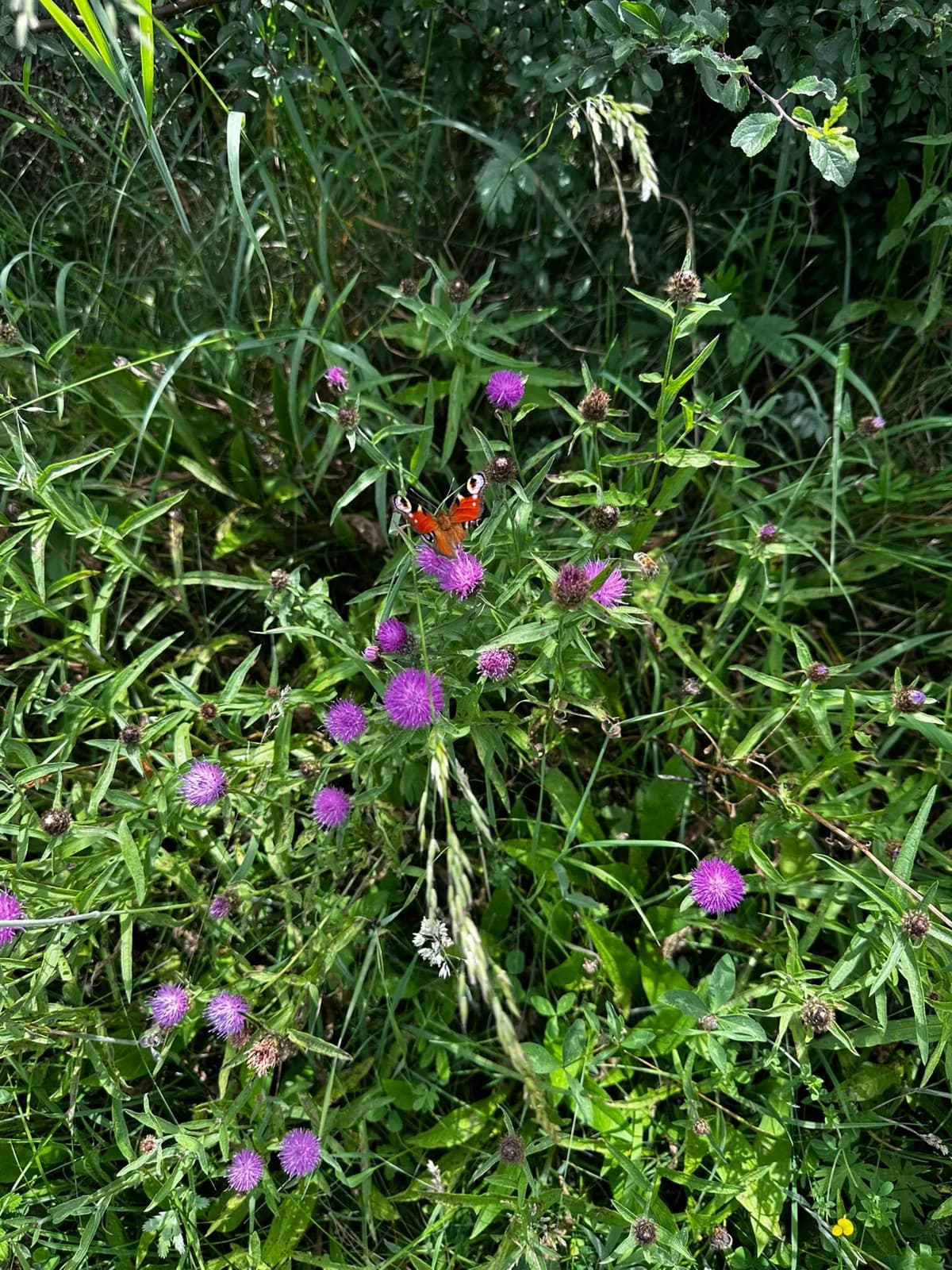
Pollinators carry pollen between flowers, helping plants produce seeds and fruit. In Britain they include bees, butterflies, moths and hoverflies, and they are food for birds, bats and other animals.
Nectar gives insects energy. Pollen feeds many bees and their young. Different plants flower at different times, so a mixture keeps something in bloom for more of the year.
- Spring. Crocuses, primroses and flowering fruit trees.
- Summer. Foxgloves, lavender, knapweed, and herbs such as thyme and oregano.
- Autumn. Devil's-bit scabious and ivy.
- Winter. Winter honeysuckle, then winter-flowering heather and snowdrops.
Choose plants for the light and soil in your garden. Lavender and thyme like sun and good drainage. Primroses can take partial shade. Leave plants room to grow and water them while they establish.
Avoid pesticides. They harm insects and reduce food for other wildlife. Long grass, hedges, leaf piles and dead wood give pollinators somewhere to shelter — see shelter and nesting.
Caterpillars need particular food plants. Nettles support several butterflies, and bird's-foot-trefoil feeds common blue caterpillars.
 Jack Cadd
 TikTok: @wildlife.with.fin
Helps garden birds
Feed the birds
Extra food helps most when natural supplies are scarce, especially in winter and early spring. Offer small amounts and keep everything clean, because careless feeding spreads disease.
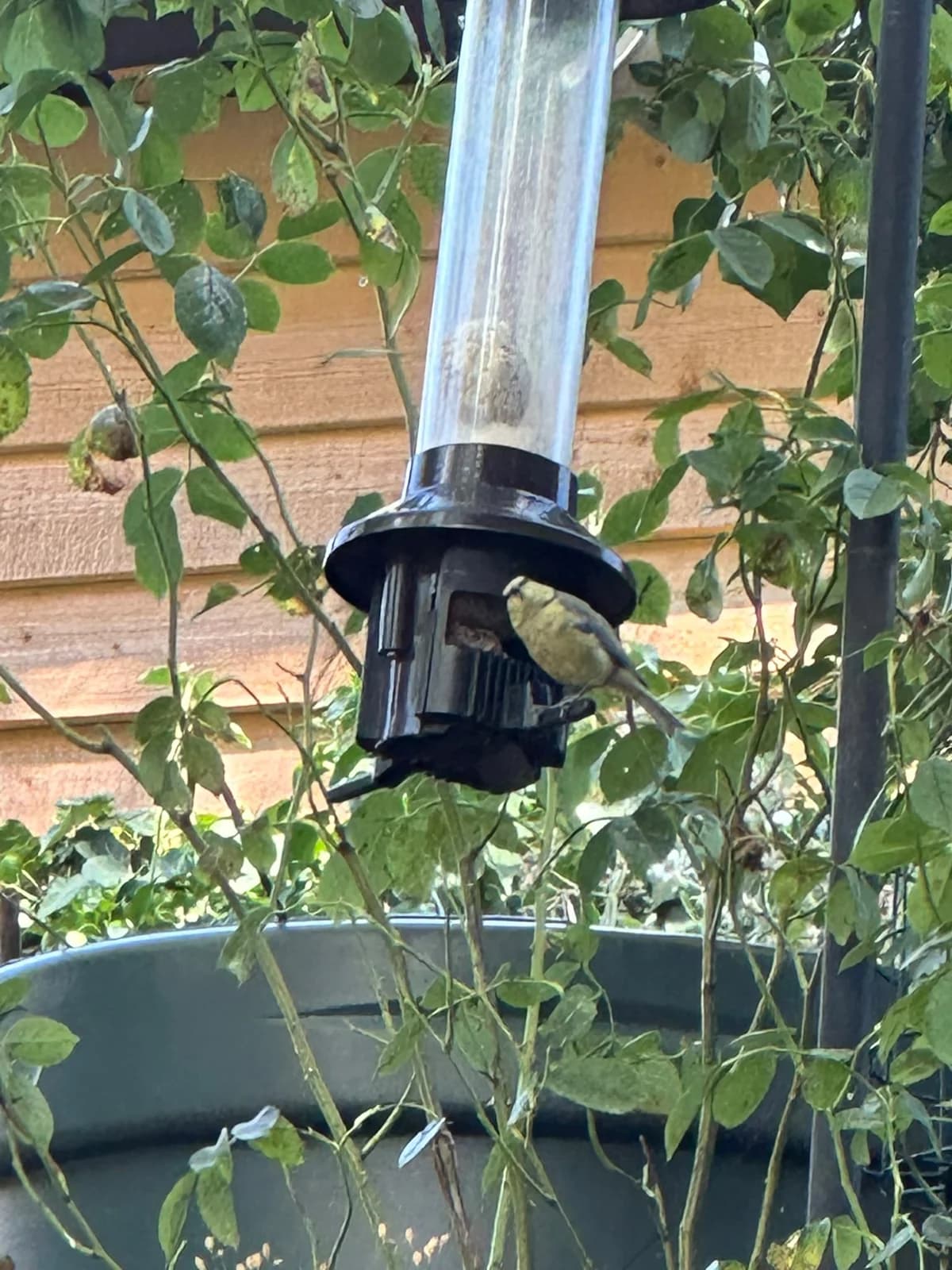
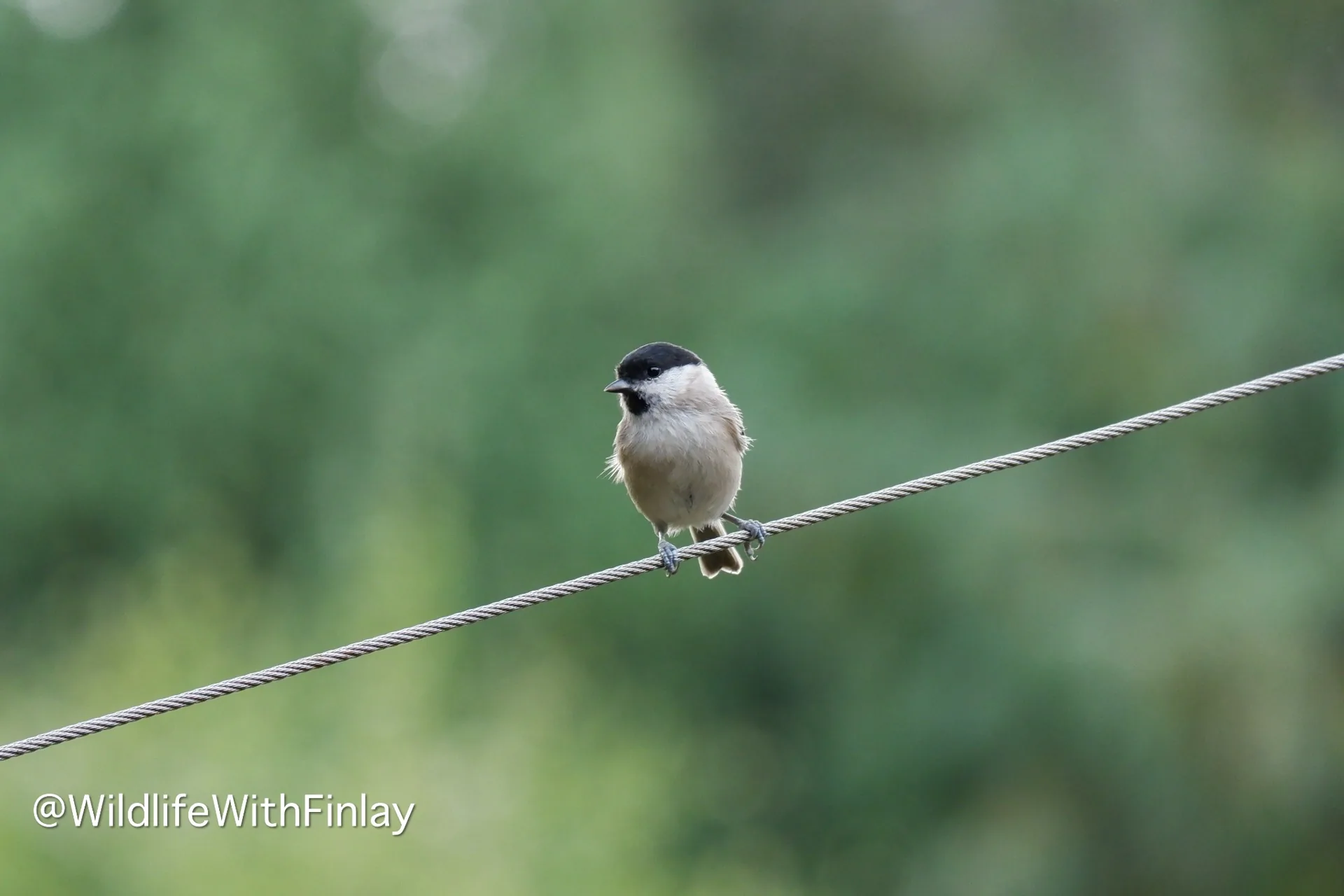
Blue tits and great tits use hanging feeders for seeds, peanuts and suet. Finches often take seeds, and robins may visit for mealworms. From November to April you can offer seeds and peanuts alongside mealworms and suet. Sunflower hearts are a good seed to start with.
From May to October, the RSPB recommends pausing seeds and peanuts (opens in a new tab), when the risk of disease is higher. You can still offer small amounts of mealworms, fat balls or suet, and remove uneaten mealworms by the end of the day.
Hang the feeder somewhere quiet and sheltered, with a clear view so birds can watch for danger. Nearby shrubs give them an escape, but do not place the feeder directly under branches where droppings could fall onto it. Move it regularly so old food does not build up underneath.
Only put out what will be eaten. Clear damp or fallen food, and wash and disinfect feeders at least once a week. Rinse and dry them fully before refilling. If you have several feeders, spread them around the garden.
Plants help too. Sunflowers and teasels provide seeds, ivy offers later berries, and hedges support the insects many birds eat. For cover, see shelter and nesting.
 Jack Cadd
Helps frogs, newts, dragonflies and other pond wildlife
A wildlife pond
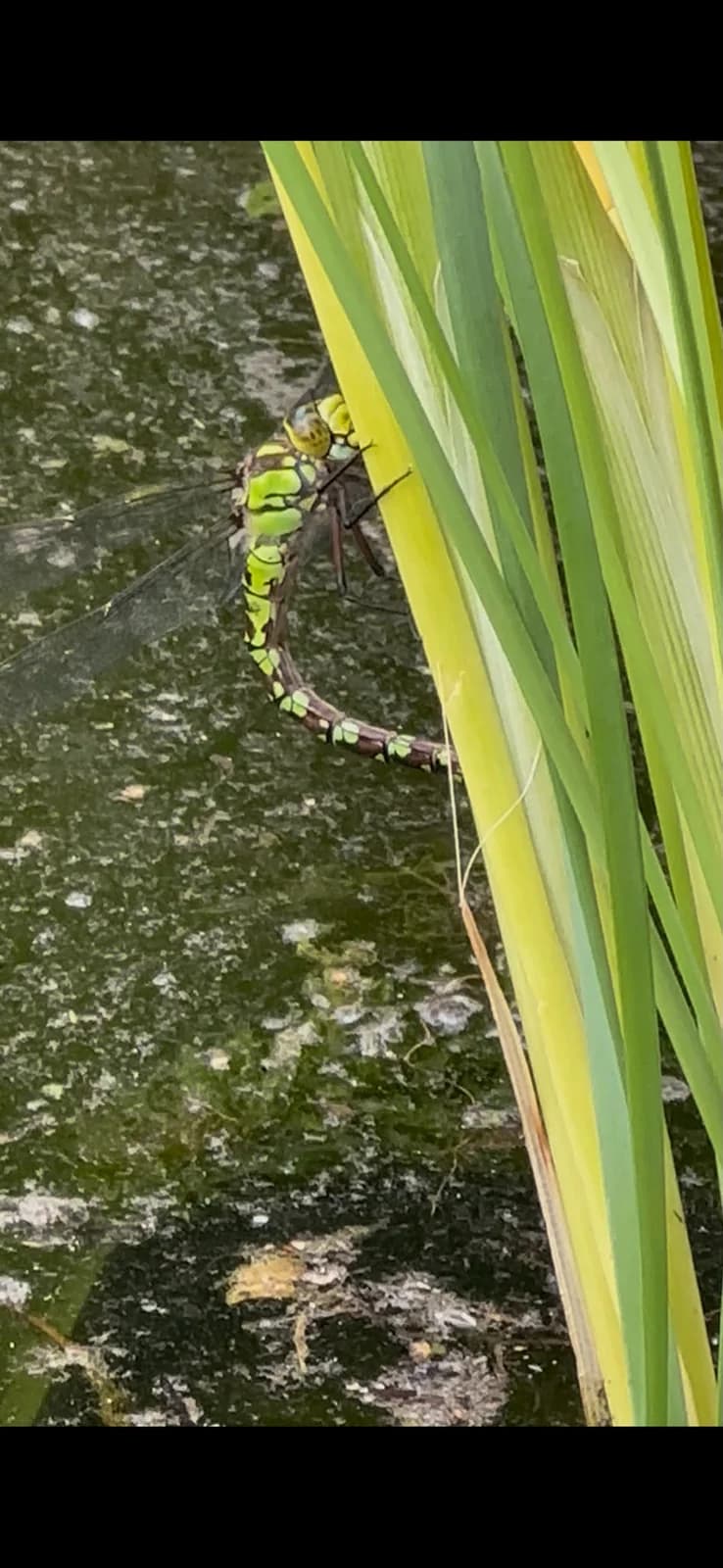
Even a small pond can be a breeding place for amphibians and dragonflies, and a source of drinking water for birds and mammals. Young children should always be supervised around it.
Choose a spot with some sun, but not strong sun all day if the pond is small. Avoid placing it directly under a tree, where leaves and droppings collect in the water.
If you cannot dig, make a mini pond in a watertight container. Add stones, one or two suitable plants, and a ramp inside and outside so animals can climb out. The Wildlife Trusts' mini pond guide (opens in a new tab) shows one way to set it up.
If you can dig, mark the shape, then make plenty of the pond shallow, with at least one gently sloping edge. Around 25–30 cm at the deepest point is enough for a small wildlife pond. Fill with rainwater if you can. If you have to use tap water, let it stand for a few days before adding plants. Stones, logs and plants around the edge give shelter and an easy way out.
Native options include marsh marigold or water forget-me-not in the shallows, and hornwort under the water. Leave some open water, and buy plants rather than taking them from the wild.
Let wildlife arrive on its own. Do not move frogs, spawn, plants or water from another pond, and do not add fish to a small wildlife pond — they may eat tadpoles. Top up with rainwater in a long dry spell. Remove excess leaves, but do not clear the whole pond. Much of its wildlife lives among the plants and material at the bottom.
Helps hedgehogs travel between gardens
A hedgehog highway
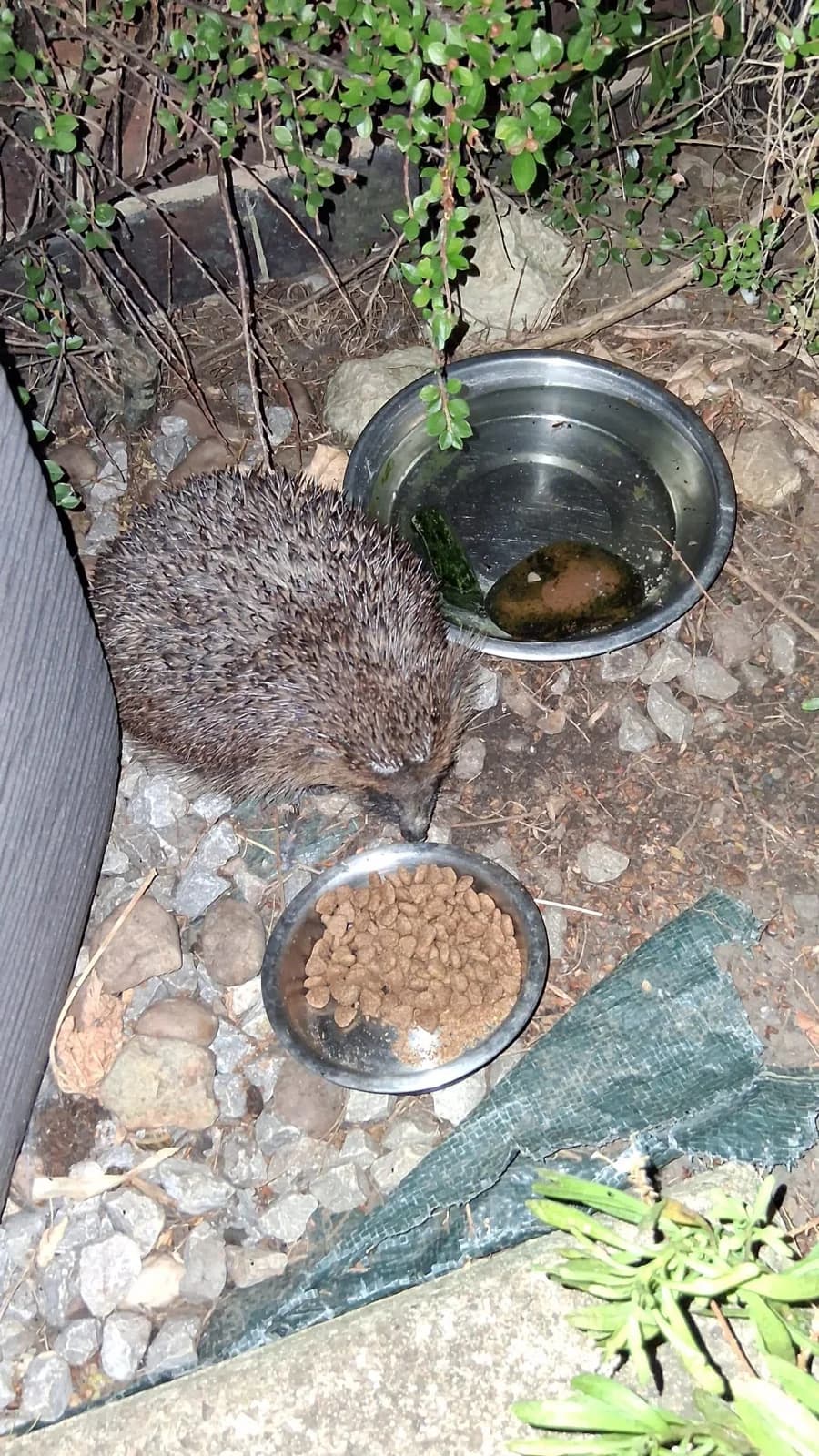
Hedgehogs roam for food, mates and nesting sites, often covering a wide area in a night. A 13 × 13 cm hole in a fence or wall lets them move between gardens instead of meeting a dead end.
Put openings where they connect green spaces, on level ground, away from drains, ponds and busy roads. More than one is better. Do not cut through structural fence posts. Check with neighbours before changing a shared boundary, and with a landlord if you rent.
In a wooden fence, mark the hole, check both sides, drill starter holes and cut the rest with a suitable saw. Sand sharp edges, then treat the exposed wood with a water-based, environmentally safer preservative and let it dry. Ask an adult to help with cutting. In wire or mesh, cut an opening at least 13 × 13 cm and cover every sharp end with a smooth, solid frame. A brick or concrete wall is usually a job for a professional. The hole should still be 13 × 13 cm.
Keep the route safe: no steep drops, uncovered drains, loose netting, slug pellets or pesticides. Longer grass, hedges, log piles and dense plants give shelter — see shelter and nesting. Ask neighbours to connect their gardens too. You can log a highway on Hedgehog Street's Big Hedgehog Map (opens in a new tab).
 Jane Pope
Helps garden bats
Bat boxes
Bats do not build nests. They use different roosts through the year to rest, mate, raise young and hibernate. Tree holes, caves and crevices in buildings have been lost as old trees go and buildings are renovated. A bat box provides another place to roost.
You can buy a bat box or build one. For a homemade box, follow instructions such as this bat box video (opens in a new tab). Several boxes are better than one, because bats can move between different temperatures.
Fix the box at least four metres up, on a route bats already use, such as a hedge or tree line. Keep the flight path clear, and make sure no artificial light shines on the box or its entrance. A sheltered spot with some sun — south, south-east or south-west — can provide warmth. Face extra boxes in different directions. Do not put a box above a doorway or a busy path. Follow the fixings for the wall or tree, and leave room for a trunk to grow. If you do not own the property, ask the landlord first.
Check the outside about once a year, and after strong winds, to be sure it is still secure. Never open it. If you paint the box, paint only the exterior, leave the entrance and landing area bare, and use water-based or acrylic paint sold as animal-friendly. Let it dry completely. Any timber treatment must be listed as suitable around bat roosts. Never paint or treat the inside.
Keep the box and nearby flight routes dark. Flowers and a pond bring the insects bats hunt — see plants for pollinators and a wildlife pond. Avoid pesticides. Keep cats in at night where you can. Never put food in a bat box. British bats hunt live insects.