Wildlife to spot in November
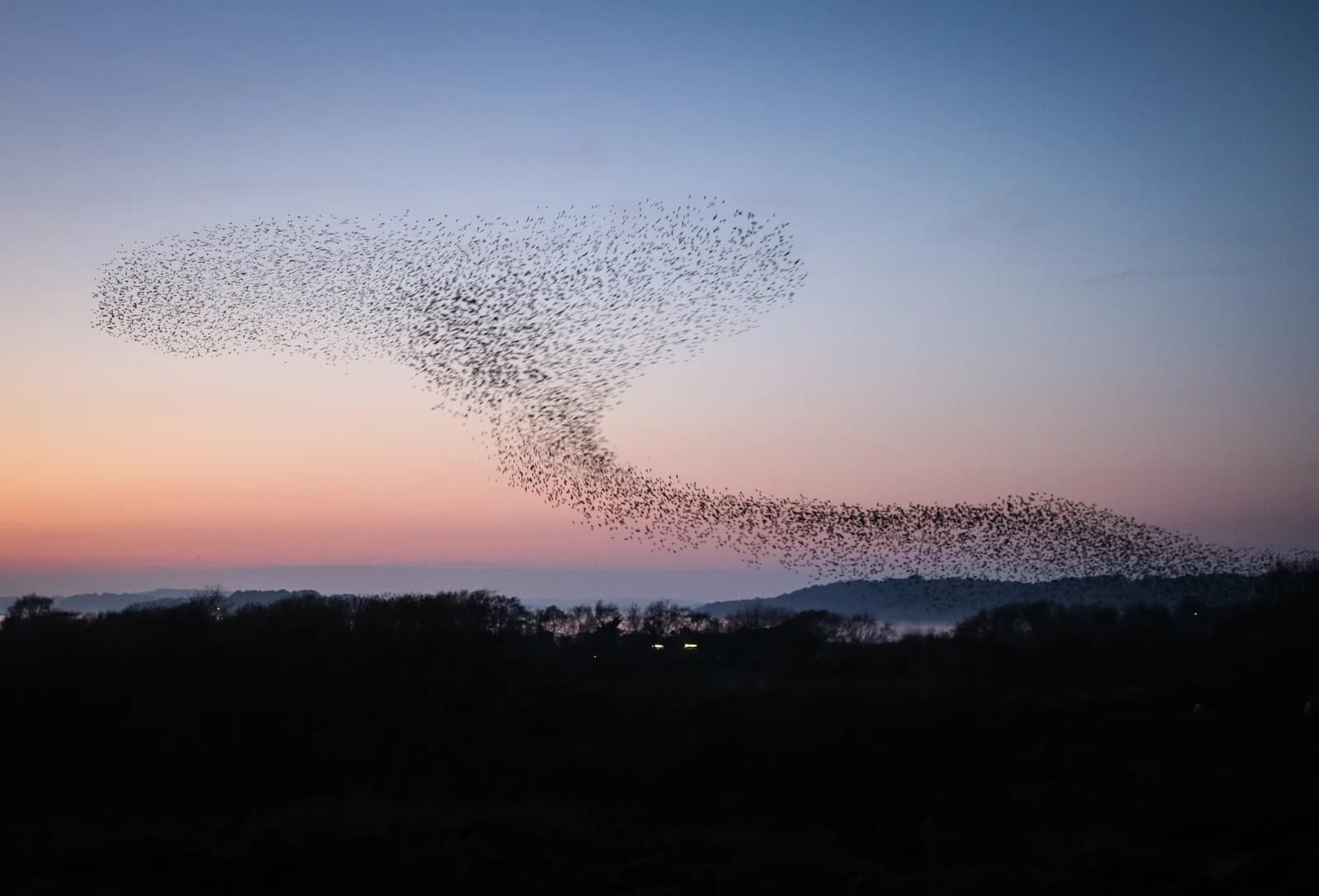
Starlings
Starlings arriving from northern Europe join Britain's resident birds in autumn. Watch for large murmurations before they settle down to roost.
- Where in Britain
- Starlings are widespread across Britain. Look for murmurations at established roosts, including reedbeds, coastal piers and nature reserves.
- How to look
- Check online for recent starling roost sightings near you. Murmurations typically occur around dusk, so arrive around an hour before sunset. Look for large flocks of small, dark birds gathering in the sky.
 TikTok: @wildlife.with.fin
Grey seal
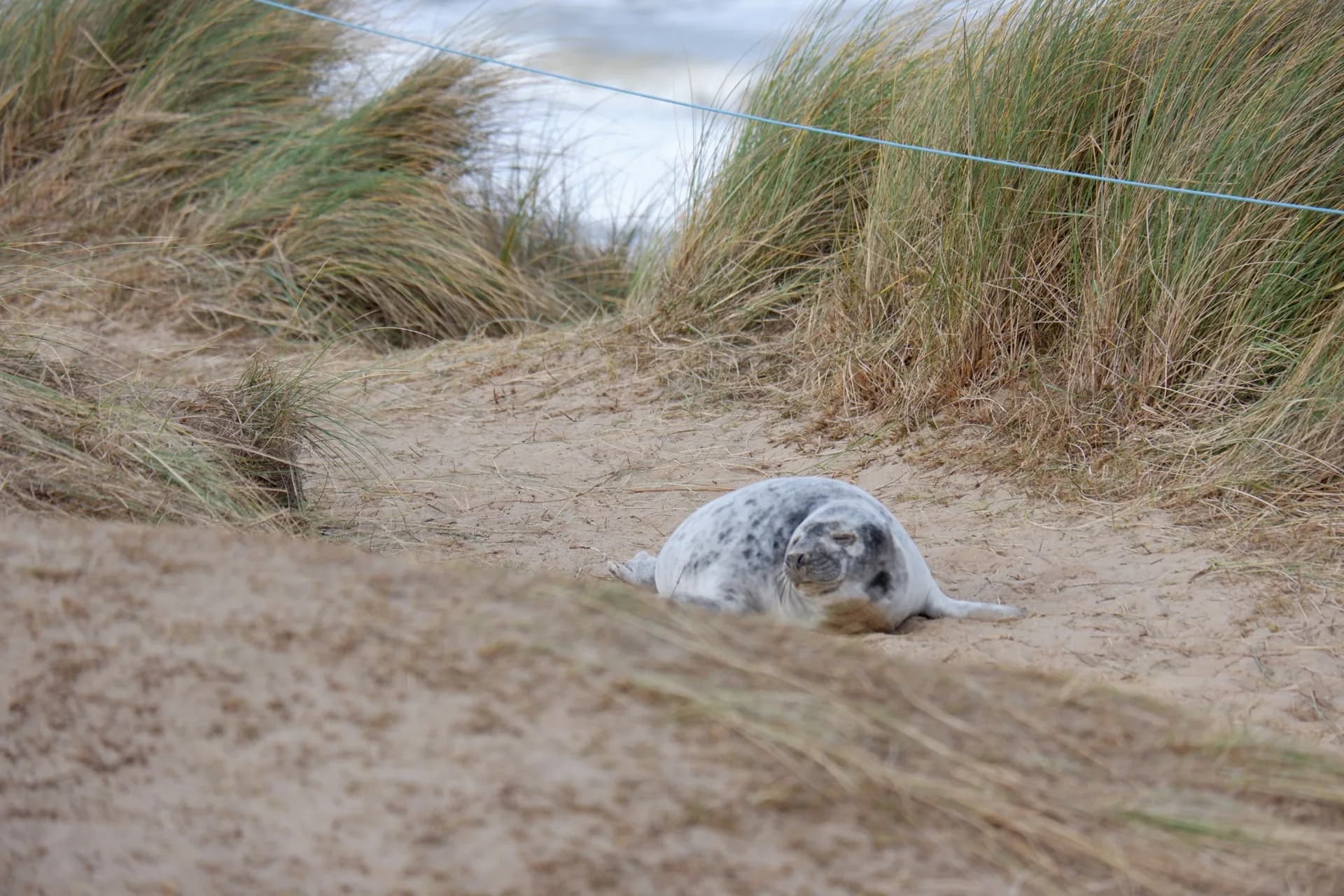
Grey seal pups are born at several major colonies in November. Look for their distinctive white coats.
- Where in Britain
- Grey seals live around much of Britain's coastline. Areas like Lincolnshire and Norfolk are especially good in November for seeing pups.
- How to look
- Look online for established grey seal colonies and visit during daylight. Keep an eye out for the pups' distinctive white coats. Use official viewpoints where possible, and never approach a seal or try to get close.
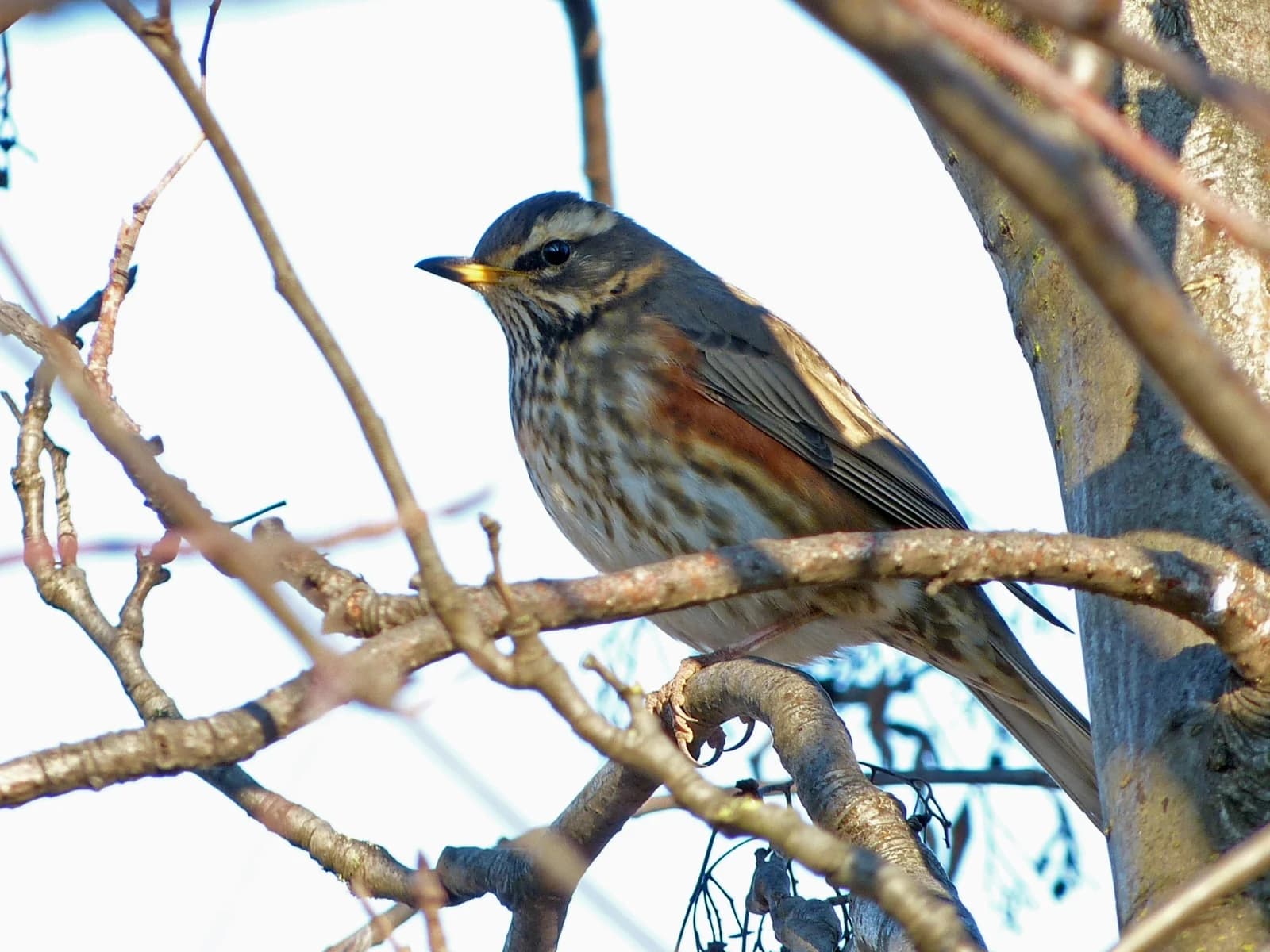
Redwing
Redwings arrive from northern Europe in autumn and spend winter across Britain.
- Where in Britain
- Redwings are widespread across Britain in November.
- How to look
- Look around hedgerows, farmland, woodland edges and parks, especially where there are plenty of berries. Check hawthorn and rowan trees, and scan nearby fields.
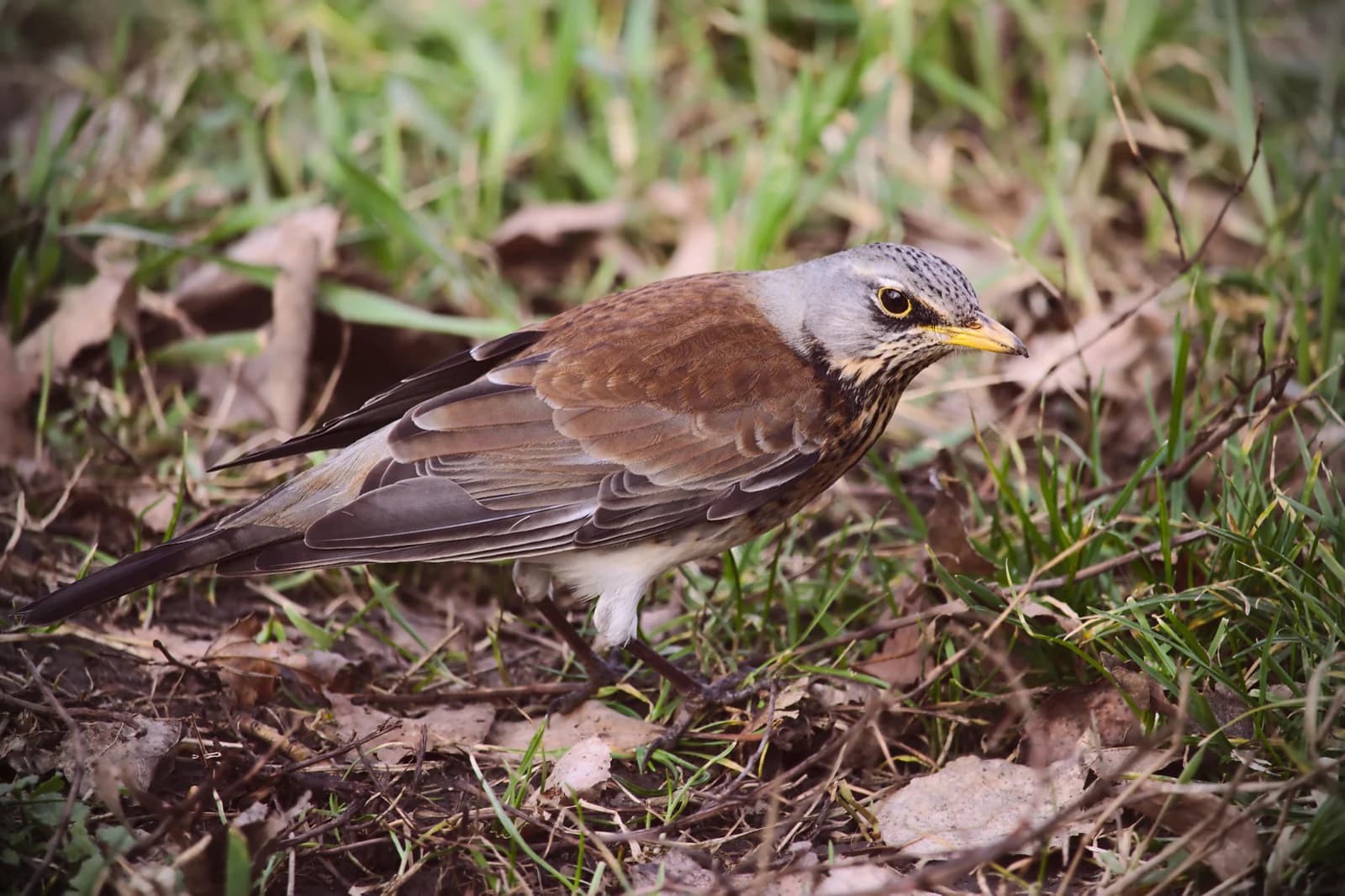
Fieldfare
Large numbers of fieldfares migrate to Britain from northern Europe during autumn.
- Where in Britain
- Fieldfares are widespread across Britain in November, especially in open countryside and farmland.
- How to look
- Look for flocks of fieldfares feeding in fields, and check hedgerows and trees for berries. Use an app like Merlin to help identify their harsh, chattering calls.
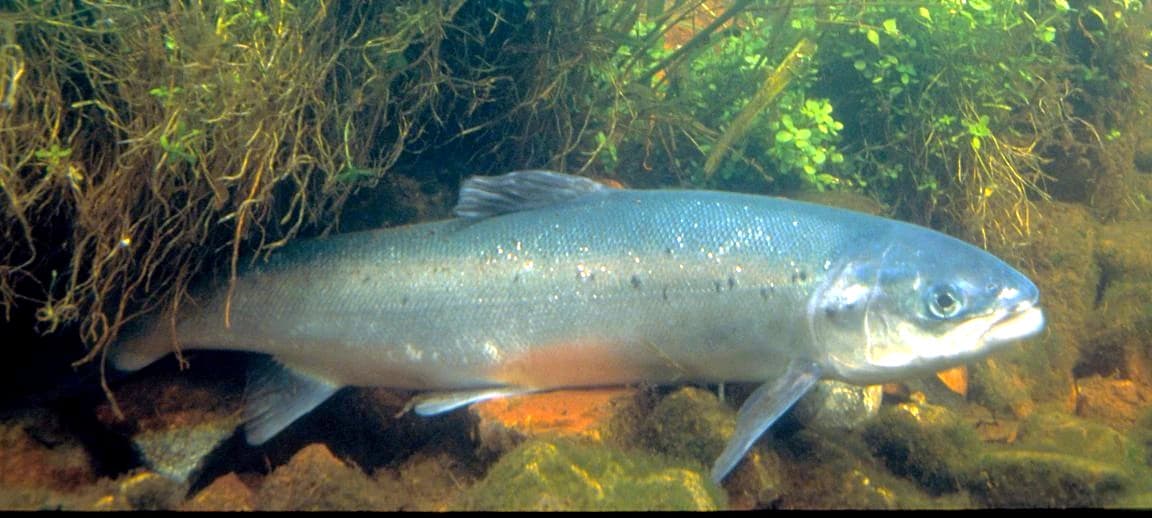
Atlantic salmon
Atlantic salmon return from the sea to their freshwater spawning grounds in autumn. Watch for them leaping upstream at waterfalls.
- Where in Britain
- Atlantic salmon can be found in rivers across Scotland, Wales and parts of England. However, their populations have declined significantly, making sightings increasingly difficult.
- How to look
- Search online for a river near you with recorded salmon sightings. Look for waterfalls where salmon may leap upstream, and watch patiently.
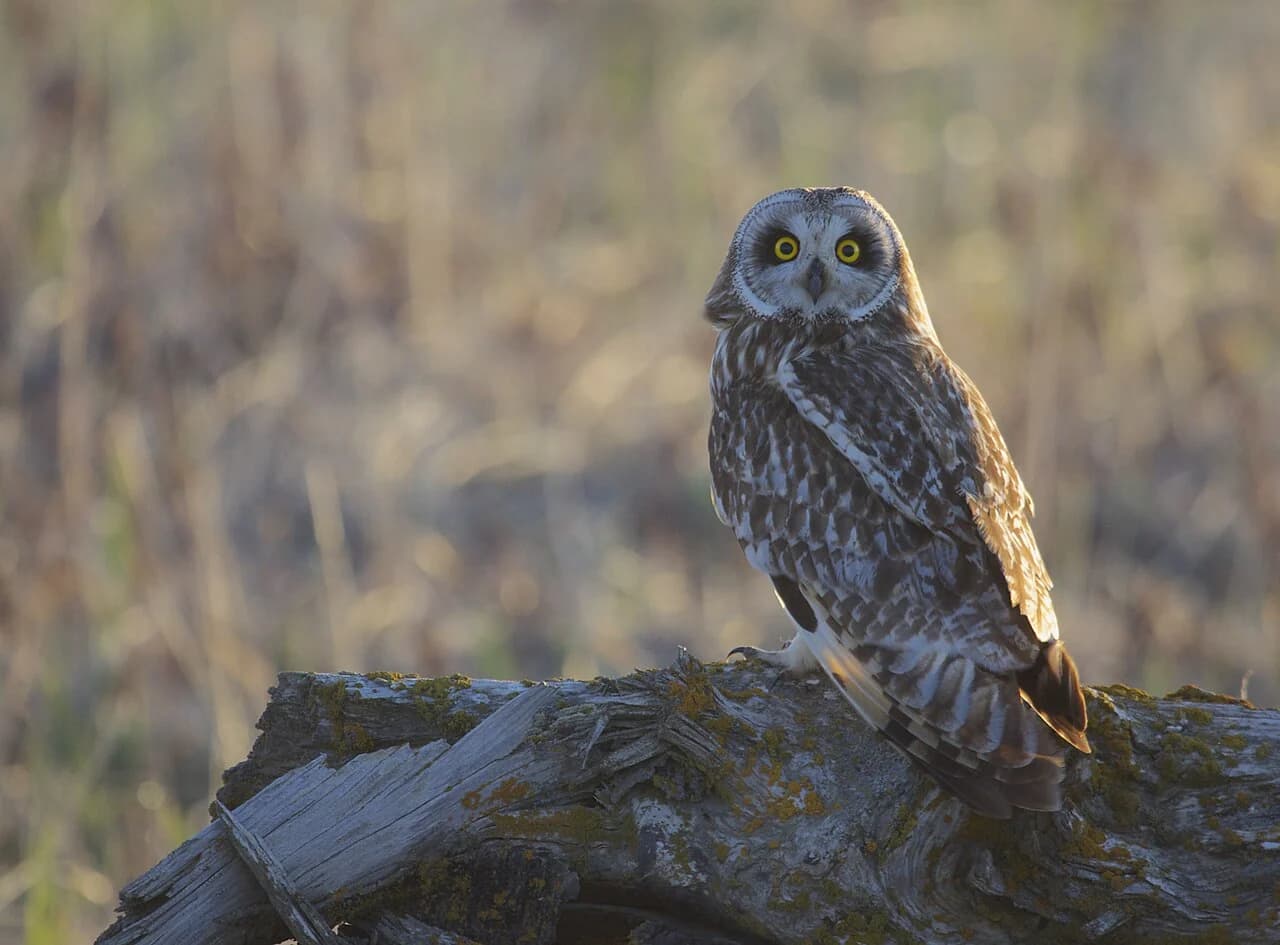
Short-eared owls
Short-eared owls arriving from northern Europe boost Britain's numbers in autumn. Look for them hunting over open ground.
- Where in Britain
- Short-eared owls can be found across Britain, although they are uncommon. They inhabit coastal marshes, rough grasslands and open lowland habitats.
- How to look
- Watch open grasslands and coastal marshes for short-eared owls hunting. Unlike most owls, they regularly hunt during daylight. Check fence posts and other low perches as well.
 TikTok: @wildlife.with.fin
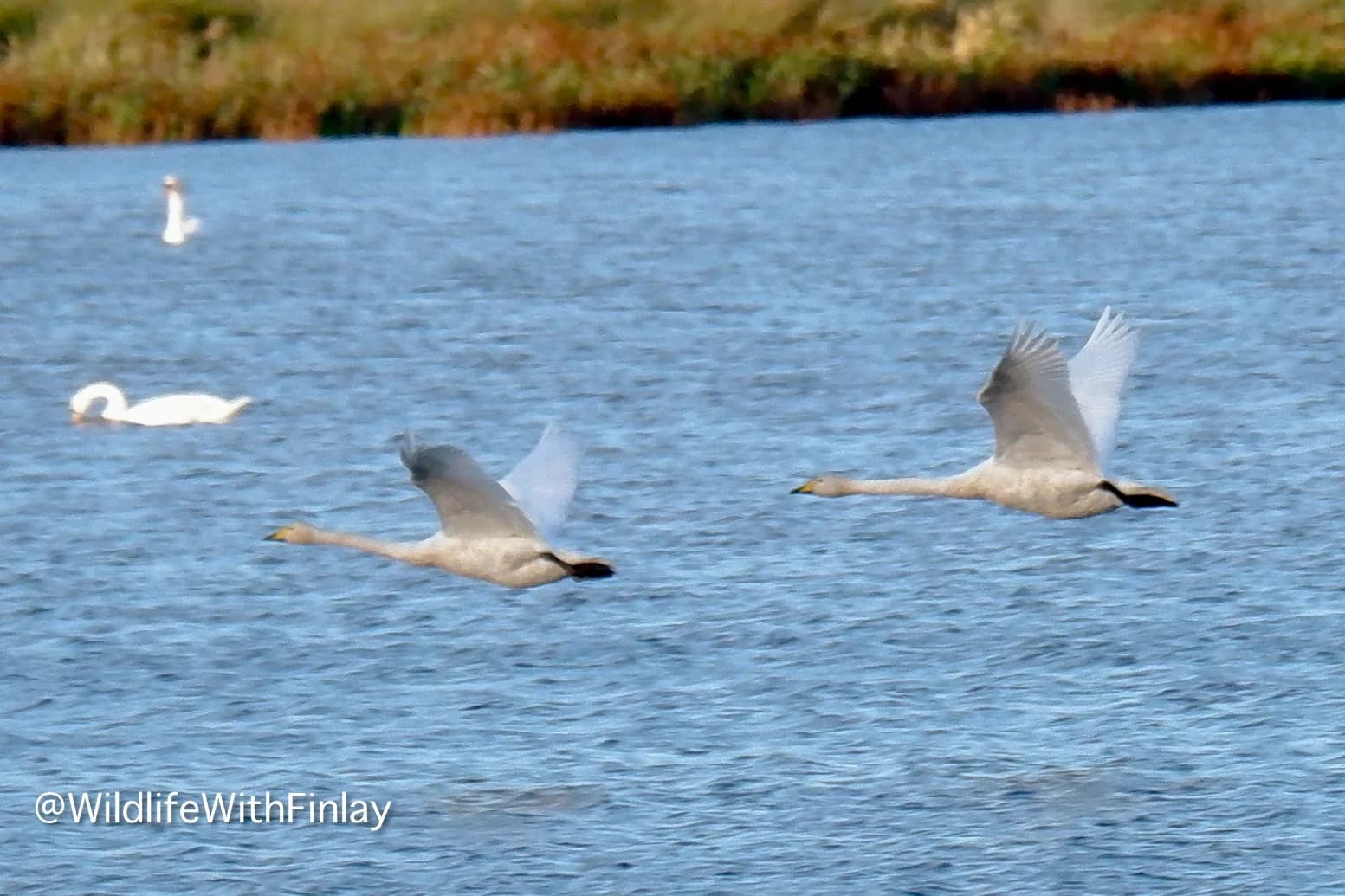
Whooper swan
Whooper swans arrive from Iceland in autumn to spend winter in Britain.
- Where in Britain
- They can be found across Britain and are particularly concentrated in Scotland, northern England and East Anglia.
- How to look
- Search wetlands, lakes and surrounding farmland for flocks of whooper swans. Listen for their loud, trumpeting calls.
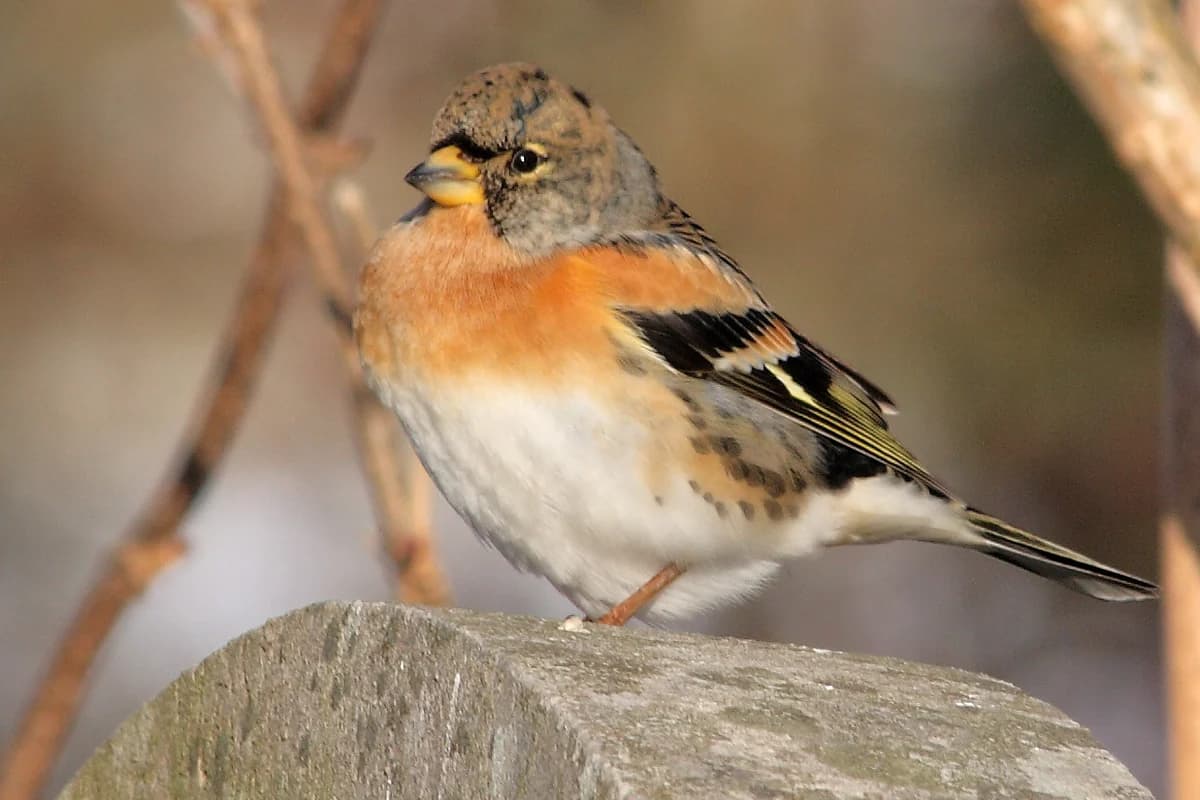
Brambling
Bramblings arrive from northern Europe in autumn and spend winter in Britain.
- Where in Britain
- Bramblings can be found across Britain, although their distribution varies.
- How to look
- Search beech woodland, woodland edges and farmland, particularly where there are plenty of seeds. Look through flocks of chaffinches, as bramblings often feed alongside them.
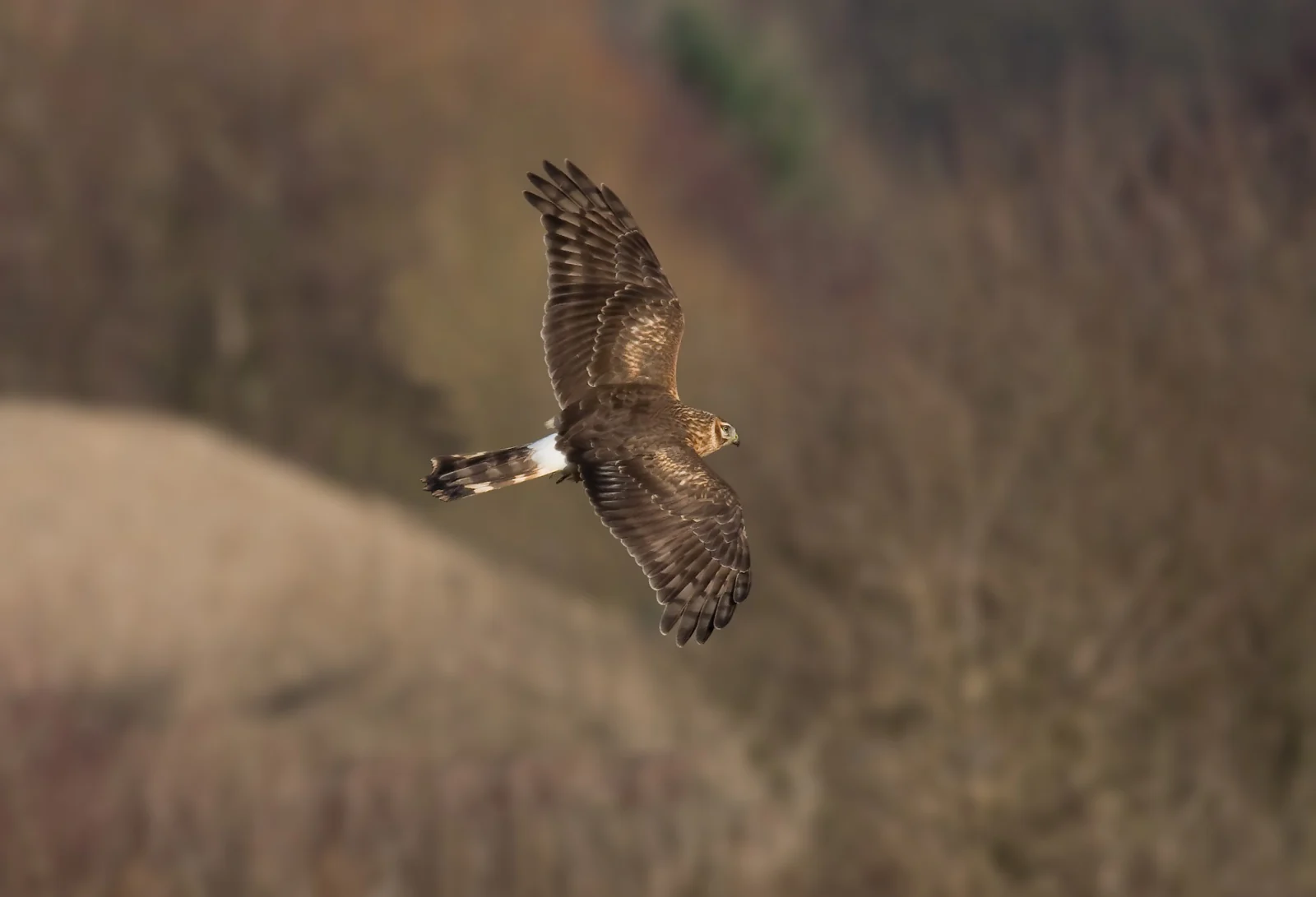
Hen harrier
Hen harriers leave their upland breeding grounds in autumn. Look for them hunting over lowland marshes and rough grassland.
- Where in Britain
- Hen harriers can be found across Britain, but are relatively rare. Scotland has the largest breeding population.
- How to look
- Search coastal marshes, rough grassland and open countryside, looking for hen harriers flying low as they hunt. Check local birdwatching reports for recent sightings near you.
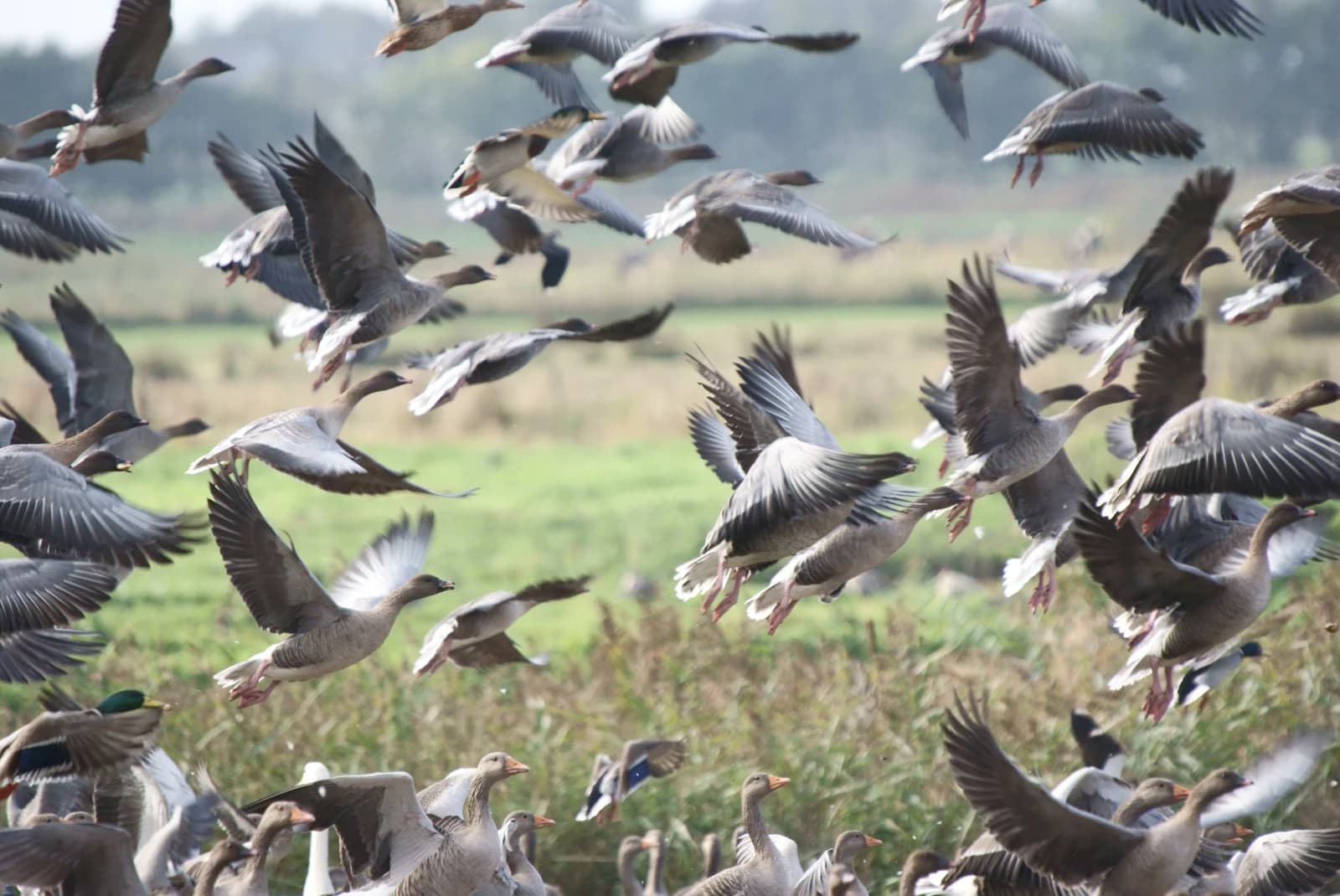
Pink-footed geese
Pink-footed geese arrive from Iceland and Greenland in autumn. Thousands can gather in winter flocks.
- Where in Britain
- Pink-footed geese are mainly concentrated in Scotland, northern England and East Anglia.
- How to look
- Check recent birdwatching reports for pink-footed goose sightings near you. Visit coastal wetlands, estuaries and farmland to look for large flocks flying between roosting and feeding areas. Early morning and dusk are particularly good times. Listen for their high-pitched, honking calls.
Photo credits
- Starlings: Tanya Hart · CC BY-SA 3.0
- Redwing: nottsexminer · CC BY-SA 2.0
- Fieldfare: Vitalii Shmorgun · CC BY 3.0
- Short-eared owls: Gregory “Slobirdr” Smith · CC BY-SA 2.0
- Brambling: Dunpharlain · CC BY-SA 4.0
- Hen harrier: Andreas Trepte, www.avi-fauna.info · CC BY-SA 2.5
- Pink-footed geese: Gidzy · CC BY 2.0


Photos resized and converted to WebP.