← Find Wildlife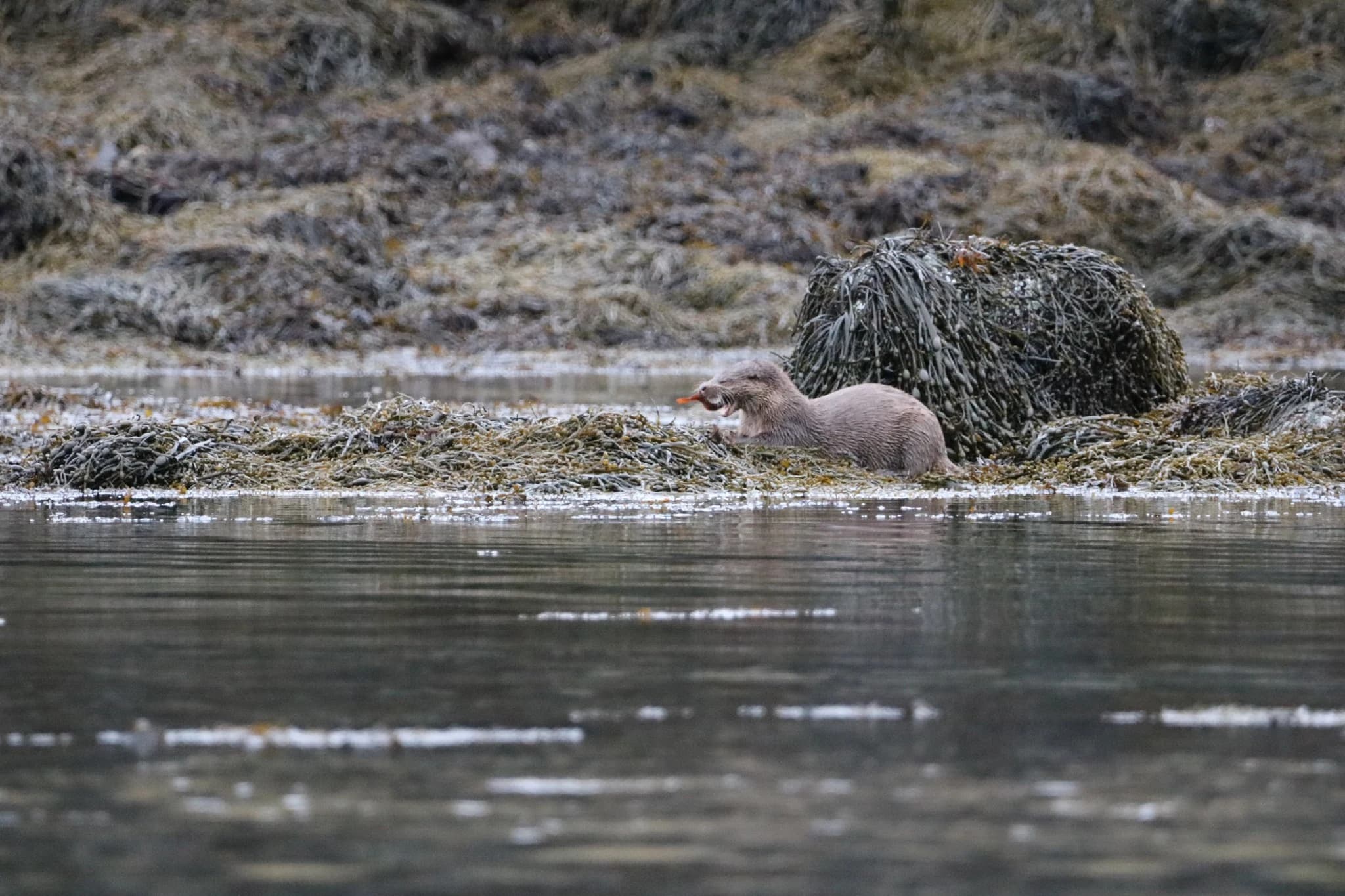 TikTok: @jswilson_1
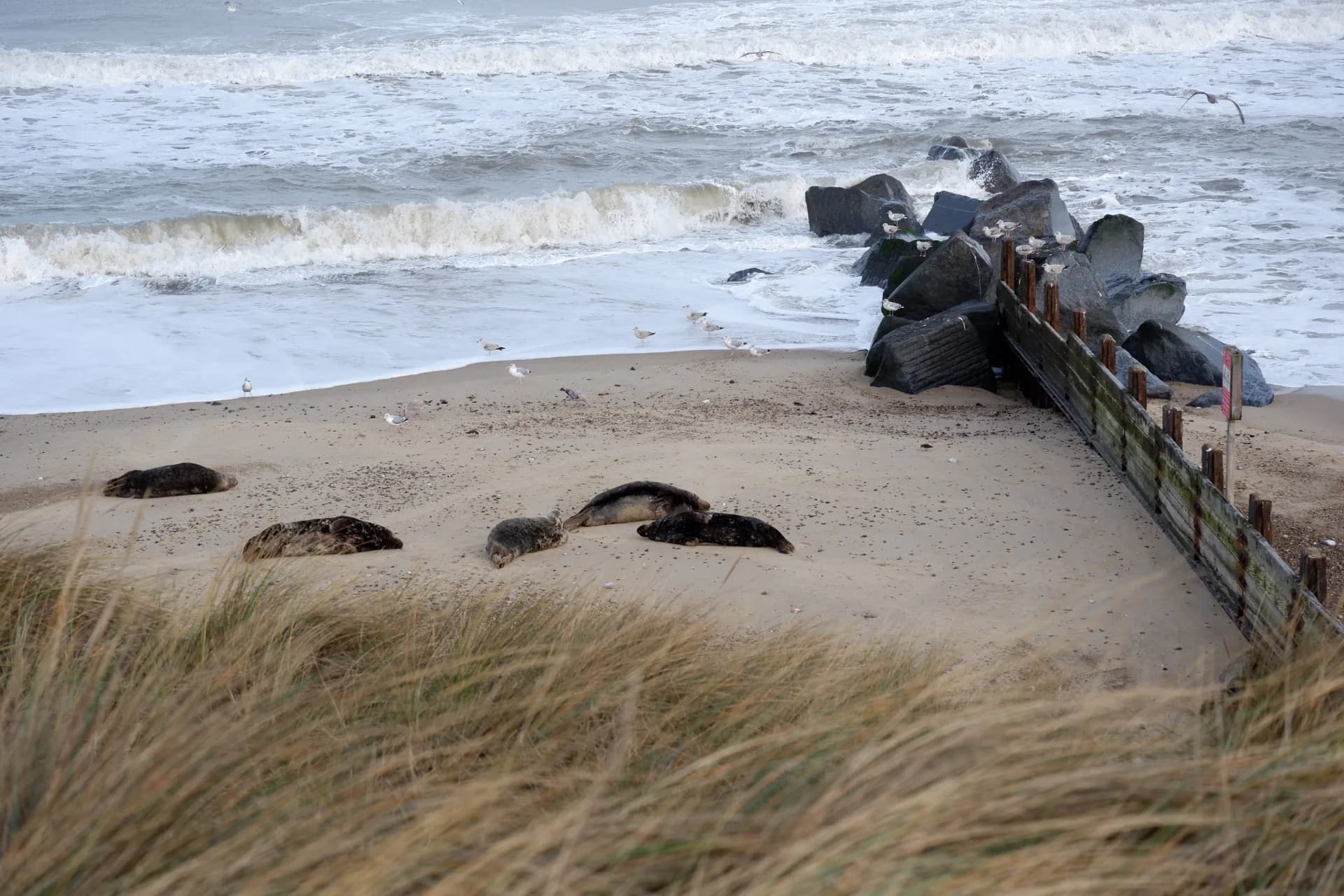 TikTok: @wildlife.with.fin
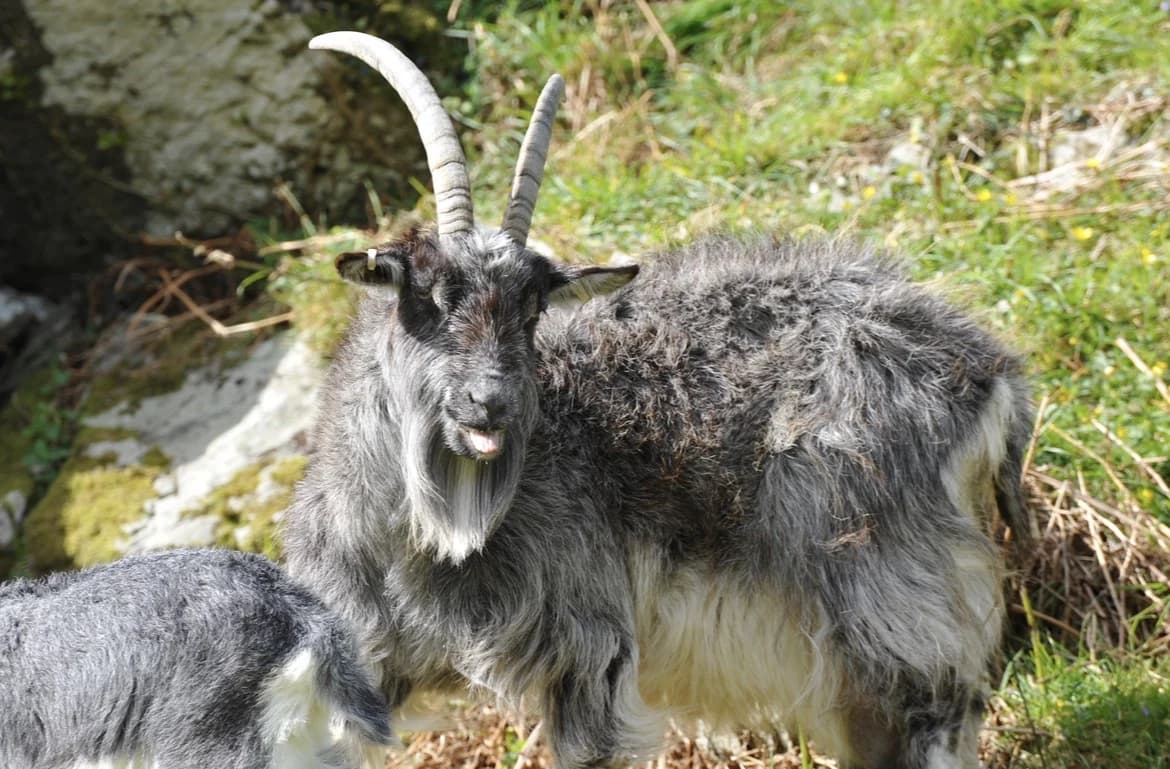 TikTok: @archiewildlife
How to watch wildlife responsibly
Keep your distance so animals can feed, rest and care for their young without disturbance.
TikTok: @jswilson_1TikTok: @wildlife.with.finTikTok: @archiewildlifeWatch its behaviour
If it stops feeding, watches you or moves away, step back. Use binoculars rather than following it.
Leave nests and young alone
Keep clear of nests, dens and roosts. Fledglings on the ground usually have parents nearby.
Keep dogs close
A dog can disturb wildlife without catching it. Use a lead where animals might be frightened.
Take care with photos
Never move an animal for a better shot. Don’t share the exact location of rare wildlife or active nests.
Use light sparingly
Keep torchlight low and brief so you don’t change an animal’s behaviour. See essential equipment.
Get advice before intervening
If an animal looks injured, keep people and pets back. Contact a wildlife rescue or vet before handling or feeding it.